
Choose from common options:
Case and Modifications options:
Plastic Cases: Most common and affordable. ABS plastic is lightweight and easy to manufacture. Can feel hollow and produce a “clacky” or “pingy” sound. Good for budget builds but limits sound customization. Recommendation for these cases to is add sound dampening foam to reduce the “pingy” sound.
Aluminum Cases: The gold standard for custom keyboards. Heavy, premium feel, excellent sound dampening, and looks stunning. Significantly more expensive but completely changes the typing experience. Most groups buy custom keyboards that use aluminum. Always in stock, safe and easy option.
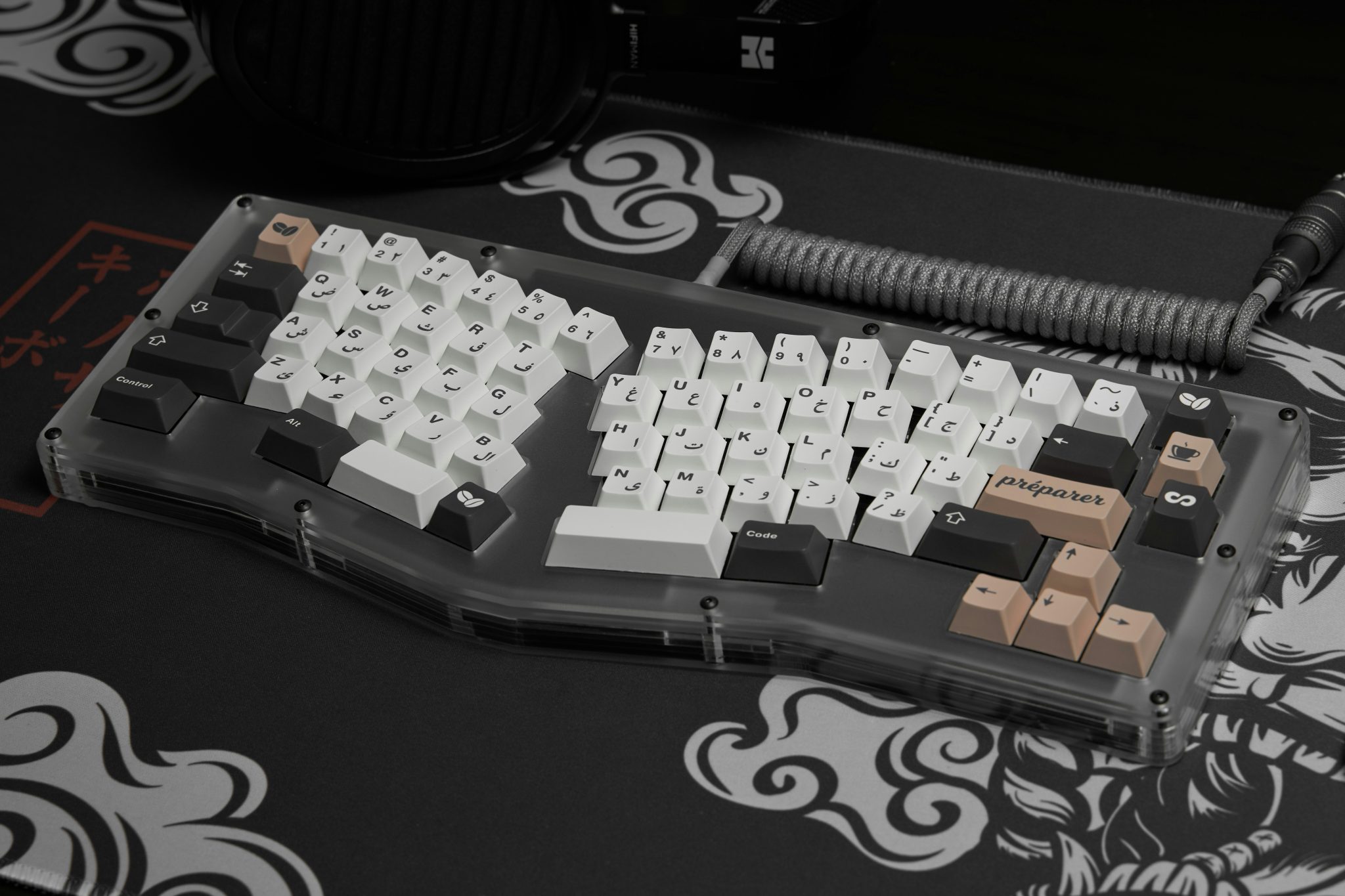
Poly-carbonate (PC) Cases: Clear or frosted plastic that is actually more flexible than aluminum, which produces a unique “poppy” sound signature beloved in the enthusiast community. Also allows RGB to shine through beautifully. These cases excel with any sort of RGB, best paired with switches and keycaps focused on RGB.
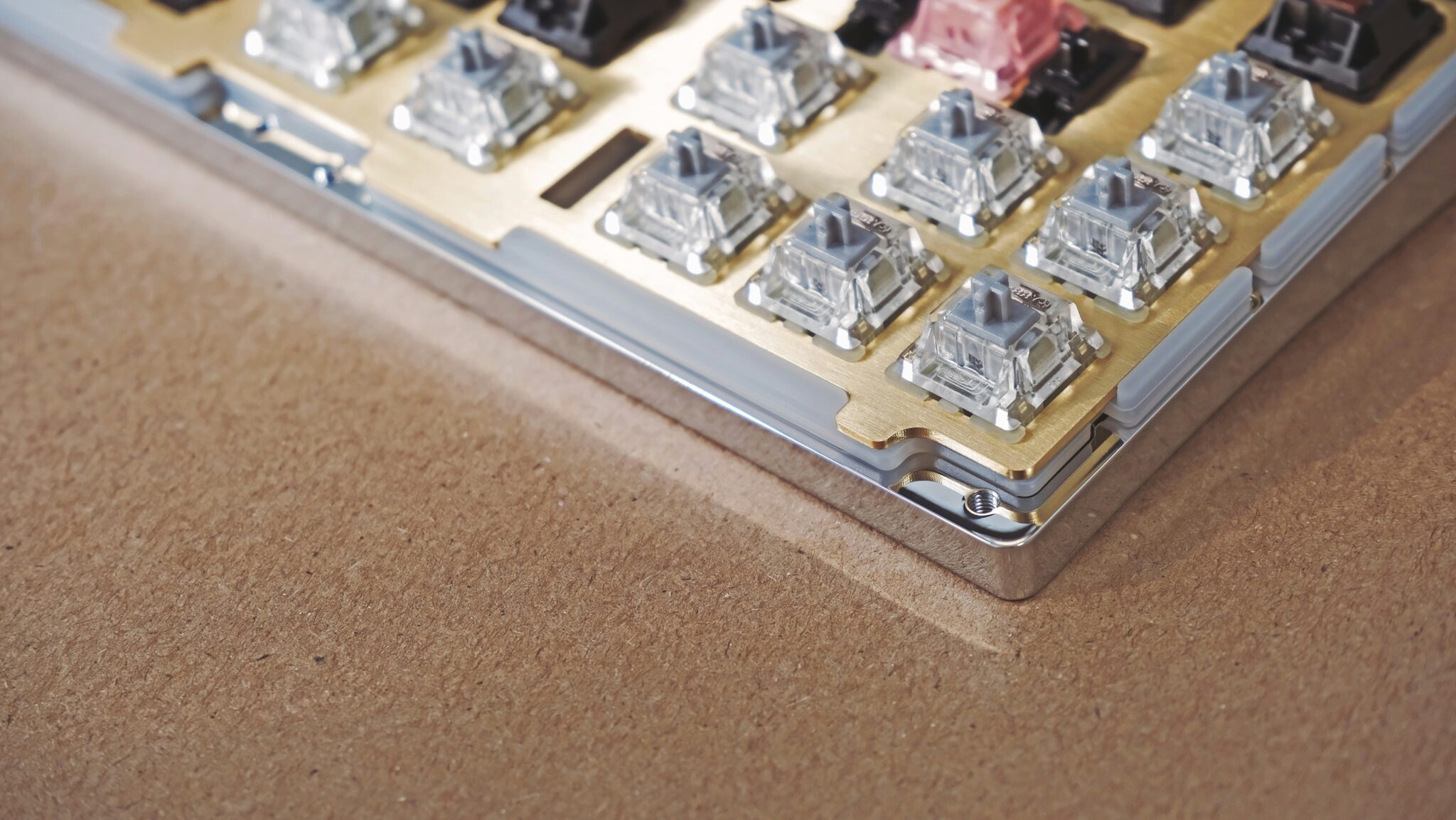
Brass Cases: Extremely heavy and dense. Used more as weight plates inside cases than full cases themselves. Adds significant heft and a deep sound profile. Can be extremely expensive, beginners avoid, and enthusiasts adore.
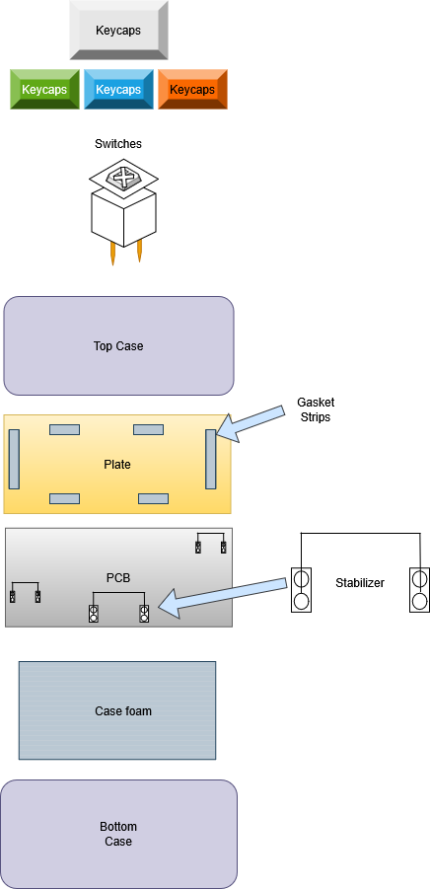
Stabilizers (Stabs): Often overlooked but critical for sound and feel. Stabilizers hold the larger keys like spacebar, shift, backspace, and enter in place. Stock stabilizers are almost always cheap and unlubed (not as smooth). Enthusiasts lubricate and tune their stabilizers, a process called “stab modding,” to eliminate rattle and produce a smooth consistent sound on larger keys. Sets of stabs can be bought for certain keyboards, deconstruction is needed, and tools such as keycap pullers and tweezers are useful.
Sound Dampening: Case foam, PCB foam, and others are all common modifications that reduce unwanted noise and resonance inside the case. The combination of these materials along with switch choice and case material define the overall sound signature of a build. Most keyboards come with foam inside and can be swapped or moved through the layers. See Youtube and Reddit for unique options regarding case foam such as the duck tape method.
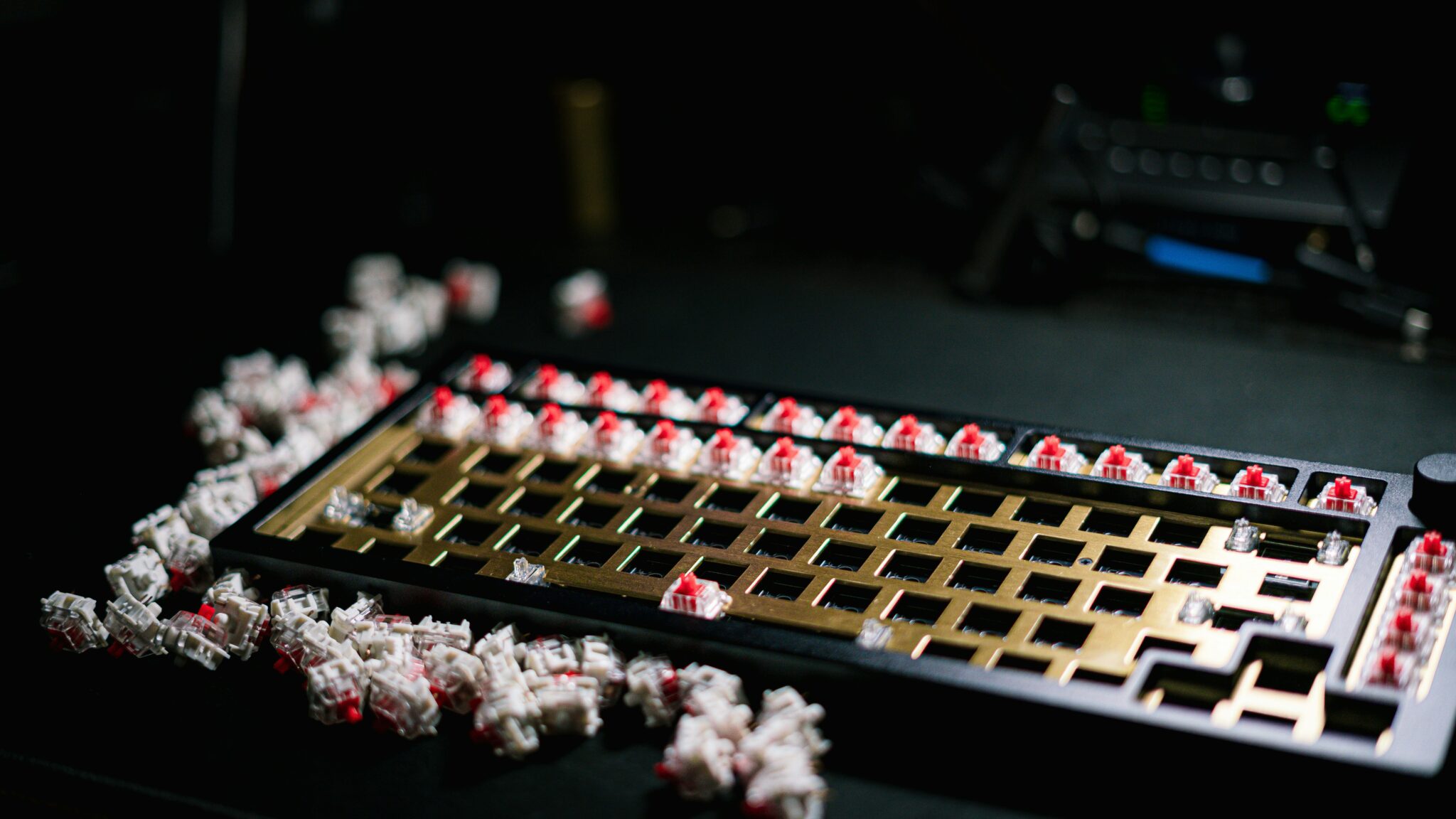
Hotswap VS Soldered: Hotswap PCBs allow you to pull switches out and replace them without soldering, great for beginners and people who like to experiment. Soldered PCBs require de soldering to change switches but are generally considered more stable and are more common in high end custom builds. Many stock keyboards come soldered and without proper tools are unable to be hotswappable. Many custom builders solder their own PCB for a more premium quality, however this is not recommended for beginners.
Gasket Strips: Are small pieces of foam that are meant to sit between the case and the plate, this affects how the plate will respond to pressure. More pressure = more bounce with gasket strips, this can affect the overall sound and feel of typing. Premium boards often come with these, stock keyboards do not, installation requires deconstruction and tweezers.
(Top down image created by Ellie D.)
**Remember that some stock options will not allow full deconstruction of the keyboard**